This article was originally published on empower-up – a resource that offers resources to help games companies build inclusive cultures.
If you’re involved in organising events you probably already have a billion and one things on your task list just to get the event delivered. This often means that when you’re trying to create a great event, the simplest and easiest thing to do is consider the “average” attendee and ensure that you are doing your best to deliver an experience that suits their needs.
But designing for the “average” doesn’t help with diversity, it usually means catering to those already well-represented in the industry, making events less welcoming for everyone else.
Why Are Inclusive Events Important?
Networking and industry events are essential for building a career. When events are organised to attract and welcome the typical people who work in the industry, we attract more of the same.
It can feel more challenging to attend an event designed to fit someone else’s needs. If you are in a minority group, not only might you stand out as being different, but things also don’t tend to work as smoothly. You might end up asking for things that don’t exist (e.g. a lift to reach a first-floor event when you struggle with stairs), and run the risk of being seen as difficult or awkward when it’s just that nobody has thought through the challenges you face when attending.
But as an event organiser myself, I know how overwhelming it can feel trying to anticipate all the possible needs of the different groups attending. While I start out with good intentions, as the event gets closer I start to run out of time and things get (unintentionally) forgotten.
I’ve often wished I had a simple checklist of key actions that could make an immediate difference.
From Academic Research to Practical Action
In 2022, Dr Anna Ozimek and Caroline Rueda, at the University of York, published a comprehensive set of best practice recommendations for events organisers funded by the Screen Industries Growth Network (SIGN), which was published by UKIE.
They interviewed 22 event organisers across the games industry who had a reputation for addressing the needs of minority groups in their events and analysed reports and articles. But while their research brings in-depth insight, detailed research documents can get easily overlooked by busy events teams.
Having contributed to this report, I ran a follow-up consultancy project, funded by SIGN. I worked directly with five different regional event organisers over twelve months to test, evaluate and distil the findings into a practical quick-start kit.
Case Study 1: #RAISETHEGAME Festival Of Food Evening (FOFE)
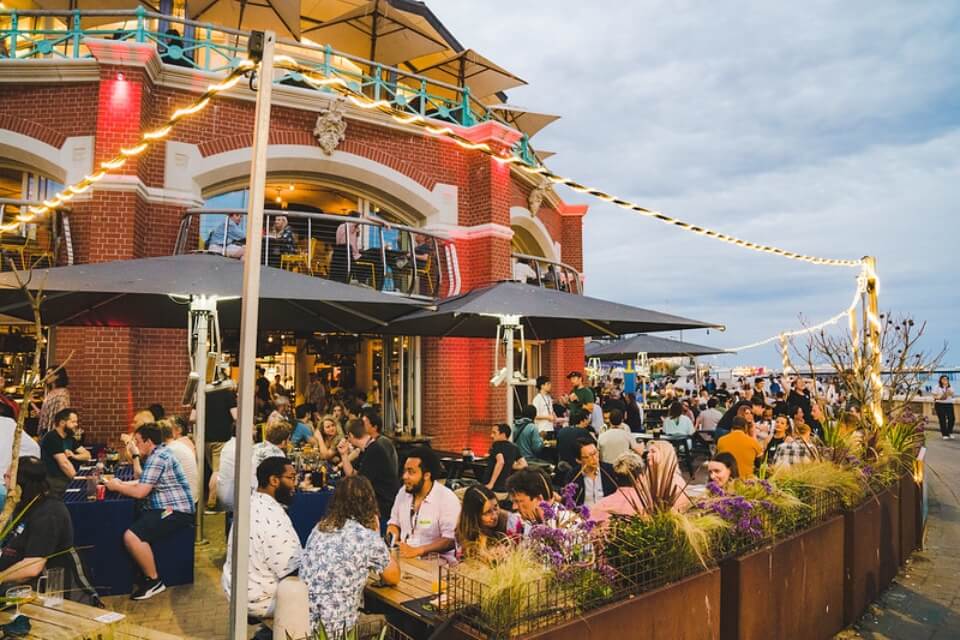
The Event: A 400+ person networking evening running alongside a major industry conference, focused on creating a safe, inclusive space with high-quality food.
Key Actions Implemented: Provided clear non-alcoholic drink options, designated quiet rooms for sensory downtime, used colour-coded name tags to indicate networking preferences, and created clear safety disclaimers and codes of conduct
Interview with the organiser: Dom Shaw
Case Study 2: GAMAYO
The Event: A 6-monthly 250+ person meet-up for developers across the North of England to showcase games and build industry connections.
Key Actions Implemented: Used visible organiser lanyards and t-shirts so attendees knew who to approach for support, offered pronoun stickers and first-time visitor badges, and created clear feedback channels post-event.
Interview with the organiser: Jackie Mulligan
Other Event Formats
To ensure the guidelines were versatile and lightweight, in parallel to the two large event case studies above, they were tested and refined across a broad spectrum of event types, including:
- Informal After Work Meet-ups (Leeds Games Toast): Casual networking over drinks, focusing on easy entry points for new members.
- Weekend Workshops And Breakfast (GEMS): Combining morning networking with interactive sessions, adjusting timings for parents and carers.
- Targeted Inclusion Events (IDA Network): Specialist conferences and meet-ups designed specifically to connect underrepresented groups in games.
Whether you run a 10 person morning roundtable or a multi-day convention, these quick-start steps apply across all types of events.
Making The Guidelines EasIER To ADopt
One of the things that I observed during the case studies is that organisers are more likely to adopt new practices when they understand the practical impact and the specific people those changes support.
For instance, providing name badges and pronoun stickers can initially seem like a minor detail to an event host. However, when you understand how transformative this simple step is for newcomers, neurodivergent attendees, and those who experience face blindness, the motivation to implement it shifts entirely.
By testing ideas across real world events, I identified the highest impact actions that organisers could implement immediately without needing huge budgets or complex logistics.
To ensure the getting started toolkit was genuinely effective, I deliberately incorporated information into the quick start guidelines that explicitly highlights how each action can make a difference.
Download the Free Resources
Get immediate access to practical templates, frameworks, and the full best-practice report.
Need Hands On Support For your Event?
I’m always happy to offer initial guidance or work with you on a consultancy basis to review your event, train your team and ensure your space is as welcoming as possible.